

-
 August 4, 2026
Early Termination Fees
An Early Termination Fee (ETF) is a disclosed charge that may apply if you end an electricity plan before the contract ends.
-
 July 24, 2026
Where Texans Spend the Largest Share of Income on Summer Electricity
With record-breaking temperatures frequently hitting the triple digits, it’s clear that air conditioning isn’t a luxury but a necessity. While Texans across the state rely on it to stay comfortable during the summer, the financial burden of keeping cool varies significantly from one city to the next.
-
 April 14, 2026
Fan vs. Air Conditioner Electricity Usage in Texas: Cost, Energy & Savings Compared
When Texas heat hits, staying cool can feel like a battle between comfort and cost. Should you rely on ceiling and box fans to save money, or is running the air conditioner unavoidable once temperatures climb?
-
 April 6, 2026
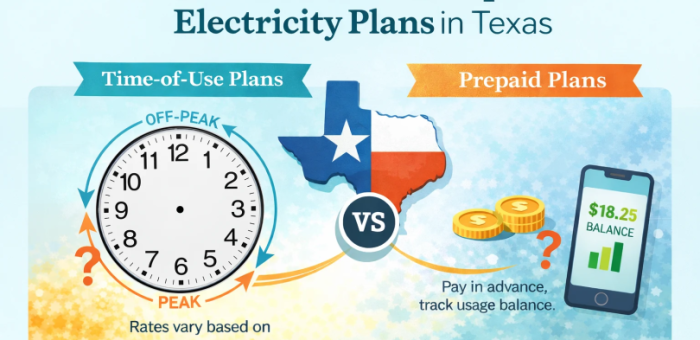
Time-of-Use vs. Prepaid Electricity Plans in Texas
Prepaid and time-of-use (TOU) electricity plans take two very different approaches to rates and plan structure. Each can lead to savings or more flexibility depending on how and when you use electricity, and each works better for certain households than others.
-
 April 3, 2026
States Most Likely to Run Up Utility Bills
Power Wizard surveyed 2,260 Americans to reveal the states most likely to drive up utility bills and the everyday habits behind higher costs.
-
 March 27, 2026
Top Energy Efficient Window Coverings
Windows can be a major source of energy loss in homes that rely on electric heating and cooling.
-
 March 26, 2026
Do Smart Plugs Save Energy? Expert Insights and Practical Tips
Smart plugs are often marketed as an easy way to save energy, but the way they actually help is widely misunderstood.
-
 February 27, 2026
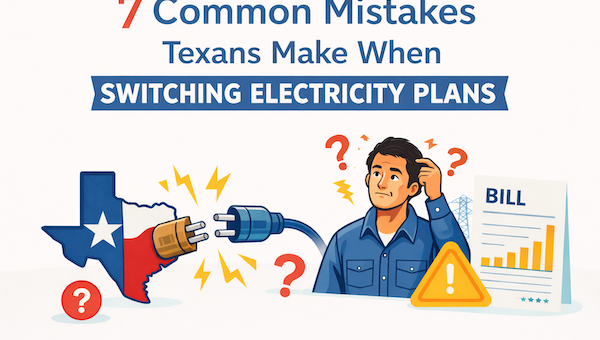
The 7 Most Common Mistakes Texans Make When Switching Plans
On paper, having dozens of plans to choose from sounds like a good thing. In practice, it creates a lot of noise.
-
 February 2, 2026
Power to Choose Alternatives
If you live in a deregulated part of Texas, you’ve probably heard, “Just go to Power to Choose.” It’s the official state website for comparing electricity plans. But it’s not the only way to shop—and for a lot of Texans, it’s not the easiest way, either.
-
 January 30, 2026
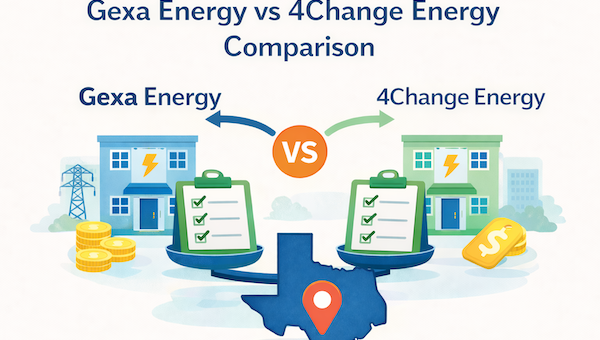
Gexa Energy vs 4Change Energy Comparison
Gexa Energy and 4Change Energy take two very different paths to power Texas homes. Gexa Energy stands out for its competitive pricing and commitment to helping customers make smarter energy choices.
-
 January 30, 2026
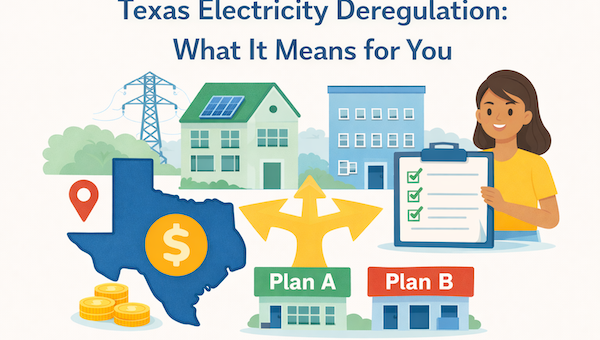
What Does Electricity Deregulation Really Mean in Texas?
Electricity in Texas doesn’t work like it does in most other states. Because of deregulation, most Texans can choose their own retail electricity provider rather than being locked into a single utility company.
-
 January 16, 2026
Tiered Electricity Plans in Texas
Tiered electricity plans are among the options available in Texas’s deregulated market. Since the early 2000s, the Public Utility Commission of Texas (PUCT) has required Retail Electricity Providers (REPs)…


