Sometimes, the weather doesn’t make budgeting easy. When summer heat pushes your AC into overdrive or a cold front rolls in, your electric bill can spike without warning. Those seasonal swings leave many people looking for a way to keep monthly costs steady.
That’s where budget billing comes in. Also called average billing, bill smoothing, or level pay, this option doesn’t lower your electricity rate; it simply spreads your payments out over time. You’ll pay about the same amount each month based on your home’s average usage to spread out the highs and lows.
In this guide, we’ll break down how budget billing works, the real pros and cons, who it works for, and when it may not be the best option.
Budget billing is a payment program in which your electricity provider estimates your annual usage and divides the cost into equal or nearly equal monthly payments. It’s designed to make your bills more predictable. Many retail electricity providers (REPs) in deregulated areas and utilities in regulated areas offer versions of this program under names like average billing, bill smoothing, or level pay.
It’s important to note that budget billing is a payment option, not a lower rate or discount plan. You still pay for the actual kilowatt-hours you use over time, and your provider may adjust your bill periodically to reflect real usage or changes from your Transmission and Distribution Utility (TDU).
In deregulated areas, your TDU controls delivery charges, while REPs set your energy rate. Budget billing doesn’t change the TDU’s delivery fees or taxes—it only affects how your total payments are averaged out over time.
Budget billing can be confusing for those who are new to it. Your electricity provider (whether it is a REP in a deregulated area or your utility in regulated ones) uses estimates, calculations, and periodic reviews to determine how much you pay each month and to ensure you eventually cover your actual usage.
Rules can vary, but to be eligible to enroll on a budget billing program you usually must:
Let’s take a closer look at how it works.
Your provider looks at your past 6 to 12 months of electricity usage to estimate how much energy you’ll use over the next year. They then multiply that estimated usage by your current energy rate and add Transmission and Distribution Utility (TDU) delivery charges to calculate your projected annual cost.
Once the yearly cost is estimated, your provider divides it into roughly equal monthly payments. This way, you pay about the same amount each month instead of facing big seasonal spikes. Providers periodically review your budget billing plan (some monthly, others quarterly or annually) and adjust your payment if needed.
At each review point, your provider compares what you’ve paid with your actual usage. If you’ve paid less than you used, you’ll owe the difference, or your monthly amount will increase. If you’ve overpaid, you may receive a bill credit or refund, depending on the provider’s policy.
Your budget billing amount isn’t set in stone. It can change if your rate adjusts, if TDU delivery charges increase, or if your usage changes significantly. In places where electricity is deregulated, these potential adjustments are what separates budget billing from a flat-rate plan.
Electricity plans, terms, and rate structures vary by location, REP, or utility. Always read the Electricity Facts Label (EFL) or plan’s official disclosure or terms before enrolling for full details.
Budget billing can be a smart way to bring more predictability to your monthly energy costs. For many customers, it offers peace of mind when seasonal swings make bills unpredictable. Here are a few key benefits to consider:
With budget billing, you pay about the same amount each month, which makes it easier to plan ahead and avoid surprise spikes during the hottest months. This is especially helpful when summers and winters drive up HVAC use.
Predictable payments make it easier to plan your monthly expenses. Whether you’re renting, raising a family, or managing a fixed income, budget billing helps you keep your finances on track and avoid scrambling to cover seasonal surges.
Many providers include alerts or online tools that track your actual usage against the estimated amount. If your usage trends are higher or lower than expected, you’ll know early and have time to adjust habits and save energy before your next review period.
Budget billing can make life easier month to month, but it’s not always the best fit for every household. Before enrolling, it’s worth understanding the trade-offs and hidden risks that come with it.
Budget billing doesn’t eliminate high costs. If your actual usage ends up higher than what your provider estimated, you may face a large adjustment when your account is reviewed. The result can feel like bill shock, only delayed until the true-up period.
Because your payments stay level, it’s harder to notice when your rate is higher than what competitors offer. That “steady” bill can make an overpriced plan look affordable, leading you to overpay month after month without realizing it. It’s important to note that this only applies to deregulated areas.
If your usage is lower than projected, you may build up a credit balance with your provider. While you may eventually get that money back through a refund or bill credit, it’s still cash you could have kept in your own account, earning interest or covering other expenses.
If you move to a new home or switch to a new provider before your true-up happens, your account will need to be settled. Depending on your balance, you could owe a lump sum payment or wait weeks for a refund check or credit. Each provider handles this differently, so it’s important to check the policy before signing up.
Whether budget billing is worth it depends on your energy habits and financial priorities. It’s a useful tool for households that value predictable payments and want to avoid seasonal spikes, but it’s not a way to lower your actual electricity costs. If your main goal is to save money rather than smooth out bills, comparing rates (if you are in a deregulated area) and finding the right plan will likely have a bigger impact on your budget.
| Segment | Who This Fits / Doesn’t Fit | Key Signals | Recommended Approach |
|---|---|---|---|
| Good Fit – When Budget Billing Can Make Sense | Households on fixed income or strict budgets (retirees, single-income families). | Need predictable monthly bills more than the absolute lowest total cost. | Use budget billing; review annually to ensure you’re not overpaying. |
| People who get anxious about big summer/winter bill spikes. | Bill “spikes” cause of stress; prefers steady, even payments through the year. | Choose a stable plan, then enable budget billing to smooth cash flow. | |
| Homes with relatively stable year-over-year usage. | No major changes to square footage, HVAC, occupancy, EV, or pool usage. | Budget billing is less likely to result in large true-up surprises when usage is consistent. | |
| Poor Fit – When You’re Better Off Without Budget Billing | High-intent rate shoppers who actively compare plans and want price transparency. | Track kWh, shop rates often, and care about true cost per kWh every month. | Skip budget billing; let real bills show you if your rate is competitive and when to switch. |
| Households with rapidly changing usage. | Adding/removing major loads: EV, pool pump, home office, new baby, big efficiency upgrades, etc. | Avoid budget billing; changes can trigger frequent recalculations and large catch-up bills. | |
| Anyone likely to move or switch providers in the next 6–12 months. | Lease ending, home sale planned, or actively shopping for a new REP. | Stick with normal billing; it reduces messy true-ups, refunds, or surprise balances at move-out. | |
| The Middle Ground – Budget Billing + A Good Plan | People who truly need smoother bills but still care about not overpaying long-term. | Want predictable payments and a fair rate, open to comparing plans at least once a year. | First, use a tool like Power Wizard to compare available plans and pricing in your area, then decide if budget billing helps you manage cash flow better. |
| Shoppers currently on a bad or expensive plan and using budget billing to “hide” big bills. | Bill feels manageable, but the effective rate is higher than the market. | Switch to a better plan first; don’t use budget billing to mask an overpriced rate. | |
| Homeowners who review finances yearly and are comfortable checking true-up balances. | Will actually read annual summaries, adjust for credits/charges, and tweak true-up plan if needed. | Combine budget billing with yearly plan reviews to balance predictability and cost control. |
Every budget billing plan is structured a bit differently. Here’s how to evaluate your options and make sure you’re getting real value.
Ask your provider these key questions to understand how their budget billing program works:
In deregulated areas, your EFL shows your plan’s rate structure, not your monthly budget billing payment. Focus on the numbers that determine your actual costs, including:
These details reveal how much you’ll really pay for the electricity you use, regardless of whether your bill is smoothed through budget billing.
When comparing plans, look at the total yearly cost, not just how manageable the monthly payment looks. For example, in some cases Plan A with budget billing might appear easier to afford month to month, but a Plan B with a lower rate could save you more money overall. Always base your comparison on your estimated annual usage to see the real cost difference.
Budget billing can make payments easier to manage, but it doesn’t change how your provider handles deposits, credit checks, or payment reporting.
Budget billing doesn’t usually remove the need for a deposit or affect whether a credit check is required. It’s separate from credit evaluation policies. Some providers offer no-deposit plans or deposit waivers for customers with strong credit or a solid payment history, but those options are unrelated to budget billing. Always review the deposit requirements and credit terms before enrolling in any plan.
Even with budget billing, missed payments are still considered late or non-payment and can lead to disconnection if not resolved. Budget billing is designed to smooth payments, not to delay or prevent them. Staying current on your monthly bills is essential to maintain service and protect your payment record.
Budget billing can make your electricity costs feel more predictable, but it doesn’t always save money. It’s best for those who want steady payments and less seasonal stress, not for those trying to cut their total energy costs. The key is to start with the right plan, then decide if budget billing fits your budget style.
For those in deregulated areas of the US, Power Wizard can help you compare dozens of electricity plans in one place. We show you the rates and terms so you don’t have to hop back and forth between REP websites. Pop your ZIP code into our comparison tool now to get started.
Budget billing can be a good idea if your main goal is to keep monthly payments steady and avoid seasonal spikes. It’s especially helpful for households on fixed incomes or those who prefer predictable expenses. However, it doesn’t lower your electricity rate or overall costs; you’ll still pay for the exact amount of power you use over time. If you’re mainly looking to save money rather than smooth out payments and you live in an electricity deregulated area, comparing electricity plans and rates will likely have a bigger impact on your yearly total than enrolling in budget billing. Otherwise, you can also look into ways to reduce your electricity usage at home.
Budget billing is a payment program where your electricity provider or utility estimates your annual electricity cost and spreads it into equal (or nearly equal) monthly payments. You still pay for the actual kilowatt-hours you use over time. Budget billing just changes how you pay, not what electricity really costs.
Sometimes. If you consistently pay more through budget billing than your actual usage costs, you may end up with a credit at the end of the review period. Depending on your provider’s policy, that balance might be:
If you’ve underpaid, the opposite happens—you’ll owe a catch-up amount instead of getting money back.
The main downsides of budget billing are:
No, budget billing by itself does not make electricity cheaper. It doesn’t change your price per kWh; it only changes how your payment amount is distributed through the year. The only time it might feel like “savings” is if a provider bundles a small discount or perk with their budget billing program.
On paper, having dozens of plans to choose from sounds like a good thing. In practice, it creates a lot of noise....
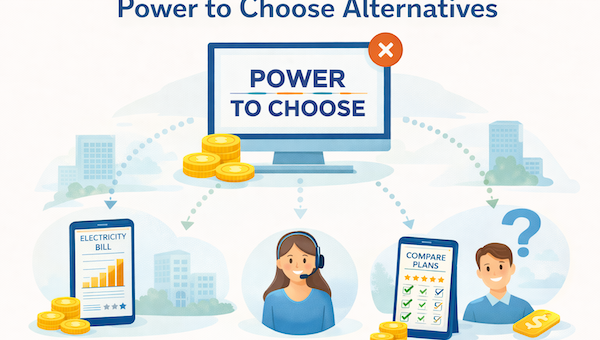
If you live in a deregulated part of Texas, you’ve probably heard, “Just go to Power to Choose.” It’s the offici...
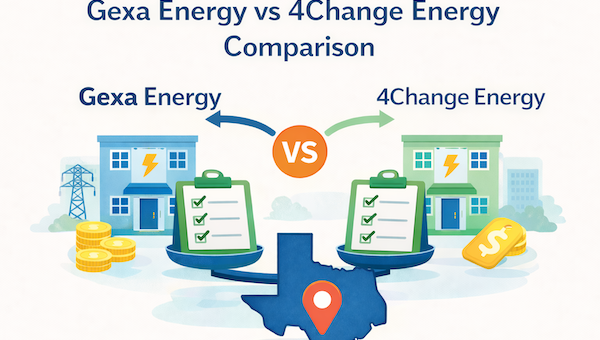
Gexa Energy and 4Change Energy take two very different paths to power Texas homes. Gexa Energy stands out for its compet...