Smart plugs are often marketed as an easy way to save energy, but the way they actually help is widely misunderstood. They do not lower electricity rates—they reduce wasted electricity by shutting off power to devices that keep drawing energy when they’re not in use. That reduction in wasted energy can lower your home’s monthly kilowatt-hour (kWh) usage, which may lead to a smaller electric bill.
In this guide, Power Wizard’s energy experts explain what smart plugs are, how they work, when they make sense as part of a bigger energy-saving strategy, and how pairing smart plugs with the right electricity plan can help you save money each month.
A smart plug is a small device that plugs into a standard wall outlet and controls the flow of electricity to a specific appliance or electronic device. It acts as an on-off switch between the outlet and the device, allowing power to be shut off completely when the device isn’t in use.
Smart plugs do not reduce the amount of electricity a device needs to operate. Instead, they help prevent electricity from being used when a device should not be drawing power, such as during idle or standby periods.
Smart plugs are typically very easy to use. Plug it into an outlet, then plug an appliance or device into the smart plug. The smart plug connects to your home’s Wi-Fi network (depending on the model, it may use Bluetooth, Z-Wave, Thread, or Zigbee instead and require a hub) and is controlled via a mobile app.
Most smart plug apps allow you to:
When a smart plug is turned off, it physically stops electricity from reaching the connected device. This eliminates standby power draw, which occurs when electronics remain partially powered even when not actively being used.
The three most common types of smart plugs you can choose from are:
Smart plugs help reduce electricity use in very specific ways. Their value lies in cutting off power when it is not needed and helping prevent unintentional use of electricity. When used consistently, smart plugs can reduce wasted kilowatt-hours, which may lower your monthly electric bill over time.
Phantom load, also called vampire power, is the electricity devices use even when they appear to be off. Many electronics stay partially powered so they can start instantly, maintain settings, or stay connected. Some examples include:
Households can use smart plugs to reduce energy bills by eliminating “vampire” (standby) power, saving about $139 per year per household, which typically accounts for 5-10% of total electricity consumption.
This small amount of power may not seem important to monitor, but standby power runs continuously. A few watts may not seem like much, but the usage adds up month after month. Smart plugs reduce this waste by eliminating phantom load on connected devices.
Another way smart plugs save energy is by limiting the time devices remain on. Instead of relying on memory or manual shutdown, you can set up an automated schedule. This is especially helpful for devices that are often left running longer than needed, such as:
Smart plugs can also control devices remotely. If you leave home and realize something is still on, you can shut it off immediately rather than letting it run all day. This is useful for:
Smart plugs work best when used intentionally and across multiple devices that draw standby power. Savings are usually modest and highly dependent on how they’re used.
The amount of energy a smart plug can save varies from home to home. Savings depend on factors such as home size, daily energy habits, and the number of connected devices and their active control.
In general, smart plugs are associated with modest but measurable savings. One smart plug on a single device will not move the needle much on its own. Savings are more noticeable when multiple smart plugs are used for devices throughout your home.
Smart plugs can pay for themselves, but the payback period is not instant. In most cases, it takes time and consistent use for savings to offset the upfront cost. They work best as part of an intentional energy strategy, where reducing waste is paired with an electricity plan that fits your usage needs and habits.
Some smart plug features can directly reduce wasted electricity, while others mainly improve convenience and only support savings if they make good habits easier to maintain. This difference matters when you’re deciding which features are worth paying for.
Energy monitoring does not reduce electricity use by itself, but it plays an important role in reducing waste. Seeing how much power a device uses makes hidden consumption easier to spot. Usage data helps homeowners:
When usage is visible, behavior tends to change. That awareness often leads to fewer always-on devices and better use of smart plug scheduling features.
Scheduling and automated shutoffs are the most effective smart plug features for reducing energy waste, especially when it comes to:
Reliable automation prevents you from having to remember which devices draw standby power and manually unplugging them.
Smart home and voice assistant integration are not energy-saving features, but they can be worthwhile if they help you control your energy habits more easily. These features can:
If, however, these features add complexity or won’t be used, you may want to consider smart plugs that don’t include them.
Smart plugs are most effective when used with devices that either run longer than necessary or draw power even when they appear to be off. Targeting the right equipment makes a bigger difference than spreading smart plugs across low-impact devices.
When deciding which devices to use with a smart plug, remember that most smart plugs have a maximum load rating of 10 to 15 amps. Some appliances and electronics may exceed this limit, increasing the risk of fire or failure.
These devices benefit the most from smart plug control because they are frequently left on or run longer than intended.
Although smart plugs can’t change electricity pricing on their own, they can help control when certain devices use power, which matters with electricity plans where prices change throughout the day. This type of electricity plan is available in many electricity deregulated areas and is known as a time-of-use (TOU) plan.
TOU pricing means electricity costs vary by time of day. Most TOU plans divide the day into:
Smart plugs help align electricity usage with off-peak pricing by giving you control over when devices draw power. For example, homeowners on TOU plans can use smart plugs to:
It’s important to remember that smart plugs provide device-level visibility, not whole-home visibility. They show when individual appliances or electronics are using electricity and allow precise scheduling.
Whole-home tools, such as utility dashboards or smart meter data, typically show overall usage trends but do not provide true device-level measurement. However, some may offer estimated appliance breakdowns.
The best TOU plan results come from using both together. Whole-home data shows when your household uses the most electricity, while smart plugs help you control and shift specific devices away from higher-cost hours.
Smart plugs work best when they are part of a broader approach to reducing electricity use. On their own, they offer limited savings. Combined with other efficiency tools and the right electricity plan, they can help reduce wasted energy more effectively.
Smart plugs target small but persistent sources of electricity waste. Tools and simple upgrades like the following address larger drivers of usage.
In deregulated areas, electricity plans are available for a wide range of usage levels, and higher usage does not automatically mean worse rates. However, reducing unnecessary usage helps ensure that you are not paying for electricity that provides no benefit.
Smart plugs contribute by cutting power to devices that would otherwise run or draw standby power without adding value. When paired with a well-matched electricity plan, that reduction in wasted usage can help keep monthly bills more predictable and easier to manage.
Smart plugs can reduce bills when they eliminate more standby/runtime than the smart plug itself consumes. Savings are usually modest and depend on device choice and consistent use.
Depending on how many stand-by devices you have plugged in and how many smart plugs you use, the potential savings can amount to about $139 per year (approx 5-10% of electricity consumption) when used intentionally on devices with a high standby power draw or that are left running.
Yes. Smart plugs help schedule device usage during off-peak hours on TOU plans, which can reduce costs if you shift most of your consumption from peak to off‑peak hours.
Energy-monitoring smart plugs can track usage by hour or day. This is especially helpful for households on time-of-use electricity plans.
They can be. Even efficient appliances waste energy through standby power or unnecessary runtime.
Yes, but very little. Smart plugs use a small amount of power themselves (often well under a few watts, depending on model/features).
In general, smart plugs shouldn’t be used with high-heat and high-wattage appliances. Avoid appliances that exceed the plug’s rating, have large motor inrush (compressors/pumps), or are safety/food-critical. Never use a standard smart plug on 240V appliances.
Smart plugs can help reduce wasted electricity by shutting off power to devices that do not need to run continuously. They do not lower electricity prices or improve appliance efficiency, but when used intentionally, they can trim unnecessary usage and lower your electricity bills.
However, reducing waste is only part of the picture. Your electricity plan still determines how much you pay for each kilowatt-hour. Power Wizard makes it easy to compare plan options side by side so you can choose one that fits how your home actually uses electricity. Enter your ZIP code and start your search today!
On paper, having dozens of plans to choose from sounds like a good thing. In practice, it creates a lot of noise....
If you live in a deregulated part of Texas, you’ve probably heard, “Just go to Power to Choose.” It’s the offici...
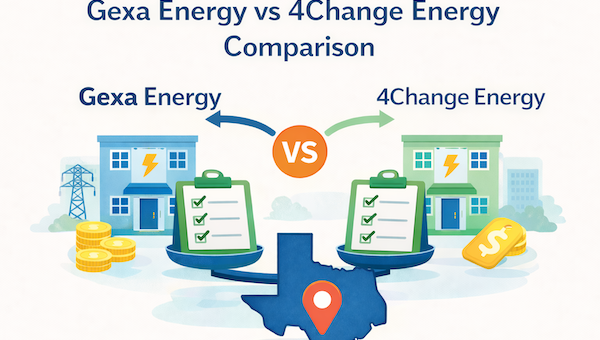
Gexa Energy and 4Change Energy take two very different paths to power Texas homes. Gexa Energy stands out for its compet...