
Electricity shortages can emerge quickly, often when the power grid is under the most strain. When supply and demand fall out of balance, electricity pricing, reliability, and grid operations can be heavily impacted.
Understanding why shortages occur starts with knowing how the electricity system operates under stress. Power Wizard’s energy experts have broken down what electricity shortages are, what causes them, and the common technology and techniques used to help prevent them.
Quick Summary: Main Causes of Electricity Shortages
Power shortages occur when the grid cannot deliver enough power due to:
- Extreme weather (heat waves, freezes)
- Natural disasters (hurricanes, tornadoes, wildfires)
- An electricity shortage can happen when there isn’t enough generation or when the grid can’t deliver electricity to where it’s needed (e.g., transmission constraints or major equipment failures)
- High electrical demand that exceeds available generation
- Fuel supply constraints for natural-gas power plants
- Aging infrastructure or inadequate grid planning
Renewables and local generation can help reduce power shortages, but they’re most effective for reliability when paired with adequate transmission, flexible resources (like storage or fast-ramping generation), and demand response.
What Is an Electricity Shortage? Definition & How It Happens
An electricity shortage occurs when the power grid cannot supply enough electricity to meet current demand. These imbalances can develop quickly, forcing grid operators to take action to protect the system as a whole. They can trigger outages, rolling blackouts, or emergency conservation measures (short-term requests for customers to reduce electricity use to help relieve strain on the grid). These methods are designed to prevent larger, uncontrolled failures and keep essential services operating while conditions stabilize.
For example, during recent Texas summers, the Electric Reliability Council of Texas (ERCOT) issued conservation alerts as record heat drove demand beyond expected seasonal peaks. In winter events like the 2021 freeze, frozen gas supply equipment and skyrocketing demand created severe power shortages.
Top 4 Causes of Electricity Shortages (Fully Explained)
Electricity shortages aren’t random; they’re typically caused by extreme weather, grid damage or equipment failure, and demand surges.
1. Weather Extremes (Heat Waves & Freezes)
Extreme weather is one of the top causes of electricity shortages in the U.S. This is because:
- Heat waves raise electricity demand for air conditioning.
- Cold snaps increase heating needs.
- High temperatures reduce transmission-line capacity (ampacity). As conductors heat up, their resistance increases and they sag more, so operators may limit current to maintain safe clearances and prevent overheating.
- Winter storms can freeze equipment, limit fuel availability, or knock generators offline.
2. Natural Disasters That Cause Power Shortages
Hurricanes, tornadoes, wildfires, flooding, and earthquakes can all disrupt the grid and lead to electricity shortages.
- Wind damage knocks down transmission lines.
- Flooding damages substations and transformers.
- Lightning strikes cause faults and outages.
- Wildfire prevention shutoffs reduce grid capacity to prevent sparks.
Because electricity must flow continuously from generators to homes, damage anywhere in the system can interrupt service.
3. Grid Damage & Infrastructure Failures Explained
Physical damage and equipment failures are common causes of localized power disruptions. When critical parts of the electric grid are damaged or stop functioning properly, electricity cannot flow as intended, even if enough power is being generated elsewhere. This is because:
- Distribution lines rely on poles, transformers, and substations that can fail due to age, wear, or environmental stress.
- Aging infrastructure is more vulnerable to breakdowns, increasing the risk of outages during normal operations or periods of high demand.
- When damage occurs, utilities must shut down affected sections, assess safety risks, repair or replace equipment, and carefully restore power, a process that can take hours or longer depending on the extent of the failure.
Issues like transformer malfunctions, equipment fires, and overloaded circuits can also interrupt service and contribute to broader electricity shortages.
4. Demand Surges & Grid Overload Scenarios
When demand exceeds available electricity, the grid triggers emergency procedures to prevent a systemwide collapse. Demand spikes are often the result of:
- Extreme weather
- Population growth
- Large industrial loads
- Inefficient buildings
- Seasonal consumption patterns
If demand outpaces generation, grid operators may order controlled rolling blackouts to balance supply.
Other Important Causes of Power Shortages
Electricity shortages can also be caused by fuel supply and transmission issues, as well as outdated infrastructure.
Fuel Supply Issues (Natural Gas & Pipeline Failures)
Many power plants—especially natural-gas–fired generation, which supplies a large portion of U.S. and Texas electricity—depend on a continuous, stable fuel supply. When that supply is disrupted, generation output can drop instantly. Common scenarios include:
- Pipeline freezes during winter storms restrict the flow of gas to power plants.
- Pressure drops in pipeline systems force plants to ramp down generation for safety.
- Competing demand from residential heating systems absorbs the available natural gas, leaving less for electricity production.
- Fuel delivery delays (rail, trucking, marine) for coal or oil plants reduce their output capability.
In extreme events, fuel supply constraints create a cascading problem: plants meant to serve as backup capacity become unavailable just as demand spikes.
Transmission Problems: Grid Bottlenecks & Congestion
Even if enough electricity is generated statewide, the grid must be able to transport it from power plants to cities, suburbs, and industrial centers. This is where bottlenecks occur. Let’s take a closer look:
- When transmission lines in high-demand regions reach capacity, additional electricity cannot be delivered, even if it is available elsewhere.
- Aging high-voltage lines may not support the load needed during extreme weather events.
- Geographic generation imbalances occur when renewable-rich regions (like West Texas wind farms) produce more electricity than nearby transmission lines can carry to urban centers.
- Line outages—planned or unplanned—force remaining lines to absorb more load, increasing the risk of overloads and automated shutdowns.
Outdated Infrastructure & How It Leads to Power Shortages
Much of the U.S. transmission and distribution grid was built decades ago, long before modern electricity demand patterns, electric vehicles, high-density cities, or today’s extreme weather frequency. Outdated infrastructure can result in power shortages due to:
- Transformers, breakers, and conductors degrade over time, making them more failure-prone under stress.
- Old thermal limits on equipment reduce how much power can safely flow through a line.
- Outdated substations may lack redundancy, so a single equipment failure can disrupt power to entire regions.
- Maintenance backlogs caused by labor shortages or funding gaps leave vulnerable components in service longer than intended.
Older systems simply weren’t designed to handle today’s peak loads or volatility, making shortages more likely when equipment can’t keep up.
How Renewable Energy Helps Reduce Grid Strain
Renewable energy is growing in popularity across the U.S. While this is good news for the environment, it also benefits the electric grid.
How Renewables Reduce Strain on the Grid
Renewables like solar, wind, hydro, and biomass supply electricity without relying on fuel pipelines. This diversifies the electricity mix and reduces pressure on traditional plants. Its main benefits are:
- Distributed generation reduces transmission load.
- Local power sources support community resilience.
- Solar can reduce peak grid demand (and demand charges where applicable) by lowering a customer’s grid draw during peak periods.
- More generation options reduce dependence on imports.
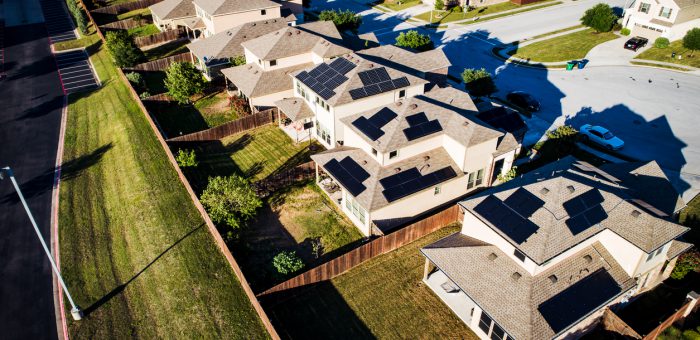
How Home Solar Reduces Grid Dependence & Energy Costs
Home solar systems can help households rely less on the traditional power grid, particularly during periods of high electricity demand. By generating power on-site, solar panels allow homeowners to offset a portion of their daily energy use and reduce the amount of electricity they need to draw from the grid. When many homes generate some of their own electricity simultaneously, it can ease strain on the grid and help lower homeowners’ energy costs.
Important note: Most grid-tied solar systems shut off during outages for safety and won’t power your home unless paired with a battery or a backup-capable inverter/islanding setup.
Community & Utility-Scale Renewables for Grid Resilience
Community-scale and utility-scale renewable projects play an important role in strengthening the power grid. Wind farms, solar farms, and community solar programs add diversity to the energy mix and reduce the risk of a single failure disrupting large areas. They generate electricity across many locations rather than relying on a few centralized power plants, helping balance supply and demand more effectively. Over time, this distributed approach can reduce overall grid stress and improve reliability.
How Grid Modernization & Battery Storage Prevent Power Shortages
Power shortages can be disruptive, but there are tools and techniques to prevent them or reduce their effects.
Battery Storage & How It Improves Grid Stability
Grid-scale battery systems—most commonly lithium-ion, but increasingly flow batteries and long-duration storage technologies—help stabilize the grid by storing surplus electricity and releasing it when demand spikes or when generation drops. They:
- Bridge gaps when renewable output is low (e.g., cloudy days, low wind).
- Provide fast-response power, supplying energy within milliseconds when the grid frequency dips.
- Delay or avoid rolling blackouts by covering short periods of extreme demand.
- Reduce reliance on gas peaker plants, which are vulnerable to fuel shortages during extreme cold.
In deregulated electricity markets like ERCOT, battery storage is becoming a critical tool for smoothing out daily demand cycles and increasing reliability during extreme weather.
Demand Response: How It Reduces Power Use During Grid Stress
Demand response programs adjust electricity usage when the grid is stressed. Utilities and Retail Electric Providers (REPs) can temporarily reduce load in homes and businesses to prevent widespread shortages.
- Smart thermostats automatically raise or lower setpoints to reduce HVAC load.
- Incentive programs reward customers for reducing consumption during peak alerts.
- Commercial and industrial curtailment temporarily shifts or reduces large electrical loads.
- Automated grid controls coordinate reductions across thousands of devices in seconds.
Demand response is one of the most effective non-infrastructure tools for balancing supply and demand in real time.
Modern Transmission Upgrades That Reduce Grid Limitations
Modernizing the transmission system significantly reduces the risk of shortages by increasing the grid’s ability to deliver electricity where it’s needed, quickly and reliably. This is because:
- High-capacity conductors carry more electricity over long distances without overheating.
- Weather-resistant materials reduce outages caused by storms, heat, and ice.
- Grid automation and sensors detect faults faster and reroute power automatically.
- New transmission corridors help move renewable energy from rural areas to major metro regions.
As demand grows and more renewable energy comes online, expanding and upgrading transmission is essential to preventing congestion-driven shortages.
Summary: Why Electricity Shortages Happen & What Prevents Them
Electricity shortages occur when demand spikes, equipment fails, or severe weather or natural disasters damage the grid. While renewable energy and modernization offer long-term solutions, today’s system remains vulnerable during extreme conditions. Choosing the right electricity plan matters—especially in deregulated markets like Texas, where consumers have options.
Electricity Shortages: Frequently Asked Questions (FAQ)
Extreme heat and cold can drive demand beyond available supply. Storms and other disasters can also cause widespread outages by damaging grid infrastructure and disrupting fuel supply.
Renewables help reduce demand on fossil fuel plants, but avoiding shortages requires a combination of renewables, storage, and modern grid infrastructure.
Sometimes the issue isn’t generation—it’s transmission. If power can’t move across the grid due to congested or damaged lines, shortages occur.
Yes. In some regions, extreme-weather events and grid constraints have increased reliability risks and led to more emergency conservation alerts and outage impacts.
Table of Contents
Related Articles
-
 August 29, 2023
Do Solar Panels Increase Home Value?
The United States now has more than 6,000 people who work in the solar power industry and help us enjoy the benefits o...
-
-